China Increases Investment in Australia
چین سرمایه گذاری در استرالیا را افزایش میدهد
Chinese investment in Australia has moved to the real estate market[mfn]بازار املاک و مستغلات[/mfn] and infrastructure. It is yet another sign that Australia’s once strong mining industry is weakening, as Chinese businesses look for new places to invest.
چین ، سرمایه گذاری چینیها در استرالیا به سمت بازار املاک و زیرساختها گرایش پیدا کرده است. این نیز نشانه دیگری از تضعیف صنعت معدنی استرالیا است که زمانی قدرتمند بود، زیرا سرمایهگذاران چینی به دنبال بازارهای جدید برای سرمایهگذاری هستند.
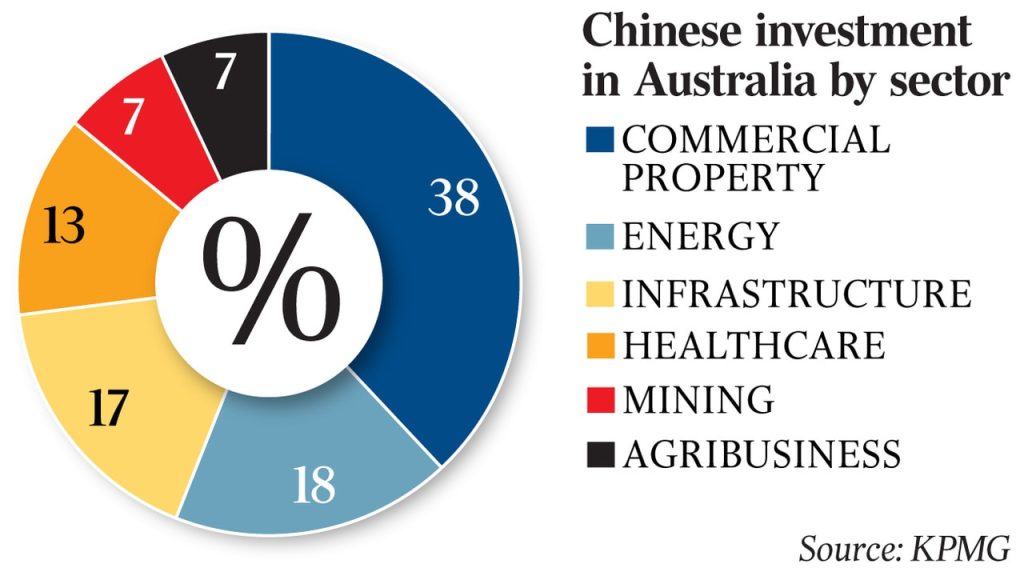
For the first time, almost half of all Chinese investment in Australia is in real estate. Spending[mfn]Spending refers to the amount of money a government or other organization uses for buying or paying for things.[/mfn] on roads, bridges and other infrastructure has also increased.
برای اولین بار، تقریبا نیمی از سرمایهگذاری چینیها در استرالیا در زمینه املاک و مستغلات است. هزینههای احداث جادهها، پلها و سایر زیرساختها نیز افزایش یافته است.
Private businesses from China are also investing more than state-owned enterprises[mfn]شرکتهای دولتی[/mfn].
از طرفی کسب وکارهای خصوصی در چین بیش از شرکتهای دولتی سرمایهگذاری میکنند.
The findings are contained in a report called “Demystifying[mfn]If you demystify something, you make it easier to understand by giving a clear explanation of it.[/mfn] Chinese Investment in Australia.” It comes from accounting company KPMG Australia, the University of Sydney Business School and the China Studies Center.
این یافتهها در گزارشی به نام «شفافیت در سرمایه گذاری چینی در استرالیا» عنوان شده که براساس دادههای شرکت حسابداری KPMG استرالیا، دانشکده بازرگانی دانشگاه سیدنی و مرکز مطالعات چین اقتباس گردیده است.
Hans Hendrischke is a professor of Chinese Business and Management at the University of Sydney Business School. He says the study provides examples of what he calls new patterns of interest.
هانس هندریشکه استاد تجارت و مدیریت چینی در دانشکده بازرگانی دانشگاه سیدنی میگوید این مطالعه نمونههایی از آنچه او «الگوهای جدید تمایل به سرمایهگذاری» مینامد ارائه میکند.
“The most striking feature was the change in Chinese investment composition– that is the shift from big projects in the mining and resources area to this huge increase in real estate, and other industries where the Chinese traditionally had not been too strong, such as leisure[mfn]leisure is time when you do not have to work and can do things that you enjoy. If you do something at leisure or at your leisure, you do it when you want to, without hurrying.[/mfn] and construction. They have bought one of the biggest cinema chains in Australia and one of the two biggest construction firms, John Holland.”
برجستهترین ویژگی، تغییر در ترکیب سرمایهگذاری چین بود، یعنی جابجایی سرمایه از پروژههای بزرگ در حوزه معدن و منابع به افزایش روزافزون سرمایهگذاری در حوزه املاک و مستغلات و سایر صنایع، صنایعی که چینیها به طور سنتی در آنها خیلی قوی نبودند، مانند اوقات فراغت و ساخت و ساز ، آنها مالک یکی از بزرگترین زنجیرههای سینما در استرالیا و یکی از دو شرکت بزرگ ساختمانی، جان هالند هستند.
Australia’s mining industry was expanding a few years ago. Now, the rate of growth appears to be slowing. Chinese companies with money to spend have looked to real estate as a place to invest. However, Australia’s Foreign Investment Review Board must approve what properties the companies can buy.
صنعت معدن استرالیا تاچند سال پیش در حال گسترش بود. اکنون به نظر میرسد که این سرعت روند کاهشی را تجربه میکند. سرمایه شرکتهای چینی به سمت املاک و مستغلات به عنوان مکانی برای سرمایه گذاری گرایش پیدا کرده است. با این حال، هیئت بررسی سرمایهگذاری خارجی استرالیا باید املاکی را که شرکتها میتوانند خریداری کنند، تأیید کند.
Phil Harris is the managing director of Harris Real Estate in Adelaide. He says Chinese buyers are inflating[mfn]Inflation is a general increase in the prices of goods and services in a country.[/mfn] prices in Australia’s major cities.
فیل هریس مدیر عامل املاک و مستغلات هریس در آدلاید میگوید خریداران چینی مسبب تورم و افزایش قیمت املاک در شهرهای بزرگ استرالیا هستند.
“There is absolutely no question that it is having a dramatic effect on property prices in particular areas of both Melbourne and Sydney. I have colleagues who own real estate offices in both of those marketplaces, and in some of those markets they are seeing 80 percent of all purchases – now even 100percent of purchases in certain areas are going to Chinese buyers. There is no question it is having an effect on property prices.”
«هیچ تردیدی وجود ندارد که این امر تأثیر چشمگیری بر قیمت ملک در مناطق خاصی از ملبورن و سیدنی دارد. من همکارانی دارم که دارای دفاتر املاک در هر دوی این بازارها هستند، و در برخی از آن بازارها 80 درصد از کل خریدها را رصد میکنند – اکنون حتی 100 درصد از خریدها در مناطق خاص به خریداران چینی اختصاص دارد. شکی نیست که این موضوع بر قیمت ملک تأثیر میگذارد.»
Last year, the Chinese invested $8.3 billion in Australia. The combination of real estate, leisure serves and infrastructure projects made up 79 percent of new Chinese business in the country. That compares with just 11 percent for mining.
سال گذشته چینیها 8.3 میلیارد دلار در استرالیا سرمایه گذاری کردند. ترکیبی از املاک و مستغلات، خدمات اوقات فراغت و پروژههای زیرساختی 79 درصد از تجارت جدید چینی در این کشور را تشکیل میدهد. این میزان در مقایسه با تنها 11 درصد برای صنایع معدنی مطرح است.
While real estate is the most popular investment, there is growing interest, too, in Australian agriculture. Andrew Forrest got rich from mining businesses. He says Chinese investment is helping to increase the productivity of farming.
در حالی که املاک و مستغلات محبوب ترین سرمایهگذاری است، علاقه فزایندهای نیز به صنعت کشاورزی استرالیا وجود دارد. «اندرو فارست» که از کسب و کار در حوزه صنایع معدنی صاحب ثروت شده میگوید سرمایهگذاری چینیها به افزایش بهرهوری کشاورزی کمک میکند.
“So far, Chinese investment into Australia – agriculture – has been well received and they’re capable of being a strong and passive partner in projects of massive scale which our capital alone could not develop.”
تاکنون سرمایهگذاری چین در صنعت کشاورزی استرالیا با استقبال خوبی مواجه شده است و آنها میتوانند شریکی قوی و منفعل در پروژههایی در مقیاس عظیم باشند، پروژههایی که سرمایه ما به تنهایی قادر به توسعه آنها نیست.
The falling value of the Australian dollar has made investments in the country more appealing. Easing of Australian visa rules has also attracted investment.
کاهش ارزش دلار استرالیا سرمایه گذاری در این کشور را جذابتر کرده است. تسهیل قوانین ویزای استرالیا نیز باعث جذب سرمایه گذاری شده است.
Doug Ferguson is head of KPMG Australia’s Asia Business Group. He co-wrote the report on China’s investment in Australia. He says Chinese investment is good news.
داگ فرگوسن رئیس گروه تجاری آسیایی KPMG استرالیا در گزارشی که درباره سرمایهگذاری چین در استرالیا نوشته میگوید: «سرمایهگذاری چینی خبر خوبی است.»
“I think it is very important for our economy to be able to successfully move the structure away from mining, gas and power into sectors that have more, maybe, enduring long-term benefit to the broader economy, which I think real estate, which leisure and tourism and agribusiness (and) food offers, and that is exactly what is happening, so it is very good news.”
«من فکر میکنم برای اقتصاد ما بسیار مهم است که بتوانیم ساختار اقتصادی را با موفقیت از معدن، گاز و نیرو به بخشهایی منتقل کنیم که منافع طولانیمدت بیشتری برای توسعه اقتصاد داشته باشند، که به نظر من املاک و مستغلات دارای این ظرفیت است که اوقات فراغت، گردشگری و تجارت کشاورزی (و) تأمین مواد غذایی را با خود به همراه میآورد، و این دقیقاً همان چیزی است که در حال رخ دادن است، بنابراین خبر بسیار خوبی است.»
China is the sixth largest foreign investor in Australia. The United States and Britain invest more, although Chinese spending is growing fastest.
چین ششمین سرمایه گذار خارجی در استرالیا است، با وجود اینکه میزان هزینههای سرمایهگذاری چین بسرعت رو به رشد است، اما ایالات متحده و بریتانیا سرمایهگذاری بیشتری میکنند.
The flow of money from China is a politically sensitive issue, especially purchases of real estate and farms. Last weekend, Australian nationalists demonstrated and burned flags near China’s diplomatic offices in Sydney. They were protesting what they described as a “foreign invasion“[mfn] When there is an invasion of a country, an army enters it by force. You can refer to the arrival of large numbers of things or people as an invasion of them.[/mfn]
جریان پول از چین یک موضوع حساس سیاسی است، به ویژه خرید املاک و مزارع. آخر هفته گذشته، ملی گرایان استرالیایی در تظاهراتی که در نزدیکی دفاتر دیپلماتیک چین در سیدنی داشتند پرچمها را به آتش کشیدند. آنها به آنچه که به “استیلای بیگانگان” توصیف میشود اعتراض کردند.